Türkiye's Centrifugal Pump Market Hits $395 Million Amid Rising Import Dependency
According to figures reported by HVAC-TURKEY and drawn from the Turkish Pump and Valve Manufacturers' Association, centrifugal pump foreign trade in Türkiye climbed 13.6% to $395.4 million through…
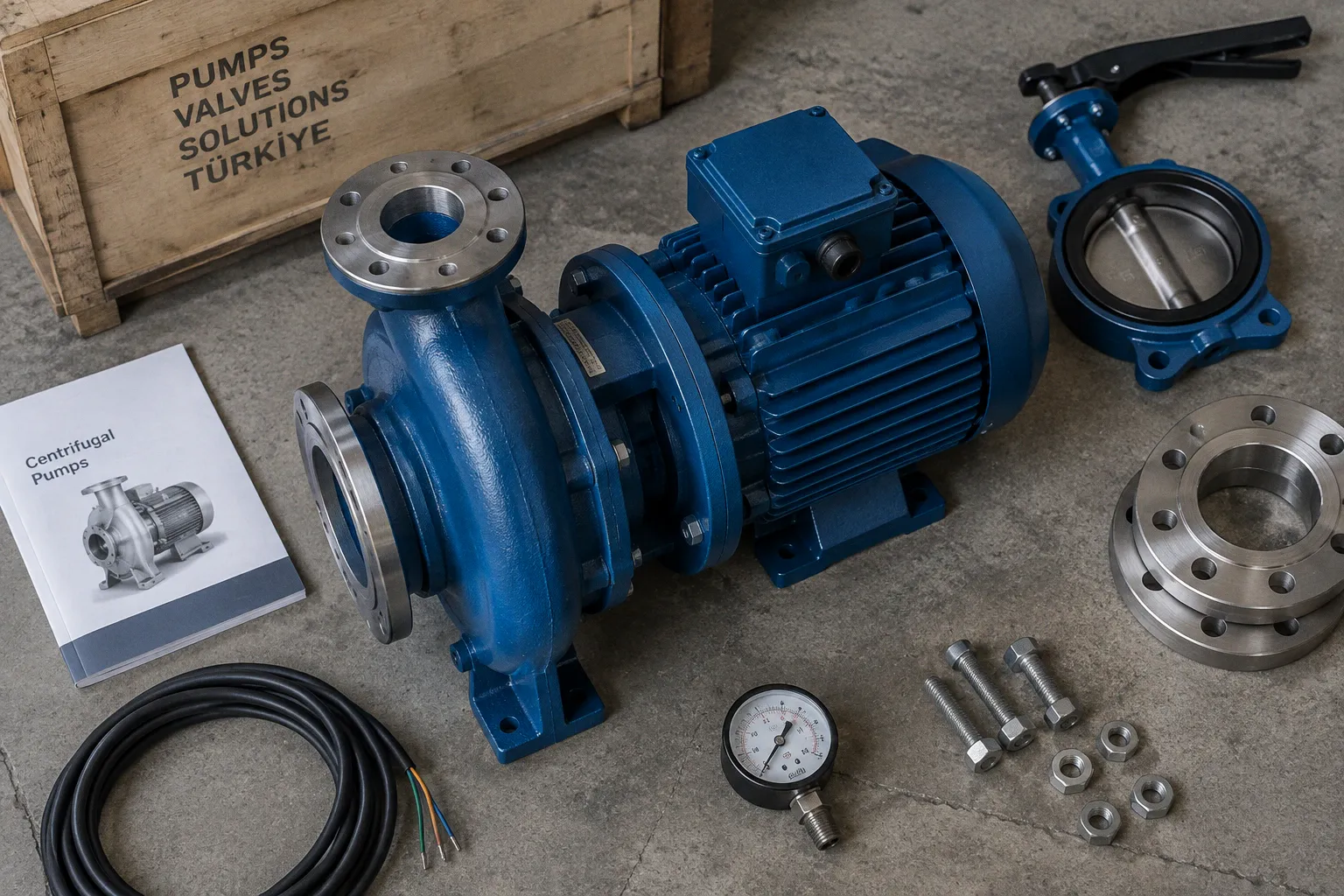
According to figures reported by HVAC-TURKEY and drawn from the Turkish Pump and Valve Manufacturers' Association, centrifugal pump foreign trade in Türkiye climbed 13.6% to $395.4 million through the first seven months of 2026 — and if you're the one writing purchase orders on a factory floor, the shape of that number matters more than the headline itself.
What the split actually tells us
Exports rose 12.1% to $121.1 million, while imports grew faster at 14.3% to $274.3 million. That gap — imports running more than twice the value of exports — is the part worth sitting with. Industry voices in the report framed it plainly: a widening trade deficit underscores how much domestic production still leans on foreign-made, high-value industrial pumps. For anyone who has stood beside a pump skid at 2 a.m. waiting on a replacement seal or a spare unit, that translates into real risk. Lead times stretch, spare parts availability thins out, and the tactile familiarity you build with a specific brand starts to matter more than the spec sheet admits.
Why this matters for the shop floor
If you're sourcing centrifugal pumps for a process line, the practical question isn't whether the market is growing — clearly it is — but whether your supplier base gives you redundancy. A 14.3% climb in imports means more stock is moving through fewer channels, and concentration like that is exactly the kind of thing that bites during a forced outage. We're hearing more designers and maintenance leads ask the same question right now: can I rebuild this pump from locally available parts, or am I one shipping container away from downtime?
The trade data also quietly answers a second question — whether Turkish manufacturers are scaling into higher-value industrial segments or staying in commodity territory. With imports outpacing exports by such a wide margin, the answer leans toward "still catching up," and that's worth tracking for anyone planning a multi-year capital purchase. We don't yet have the granular spec breakdown, but if the next quarterly report keeps this shape, expect more activity around domestic qualification programs and local assembly partnerships.
What to keep on your radar
Three signals we'd watch through the rest of 2026:
- Whether the export-to-import ratio tightens or widens further in the second half.
- Any announcements around high-head, high-pressure, or API-grade pump production within Türkiye.
- How local distributors and service networks respond, because on the ground, a pump is only as reliable as the technician who can troubleshoot it on your shift.