SKF Unveils Modular Progressive Lubrication Pump to Boost Fleet Uptime
SKF has introduced the Progressive Lubrication Pump (PLP), an automatic lubrication unit built on combined Lincoln and SKF engineering, according to PR Newswire.
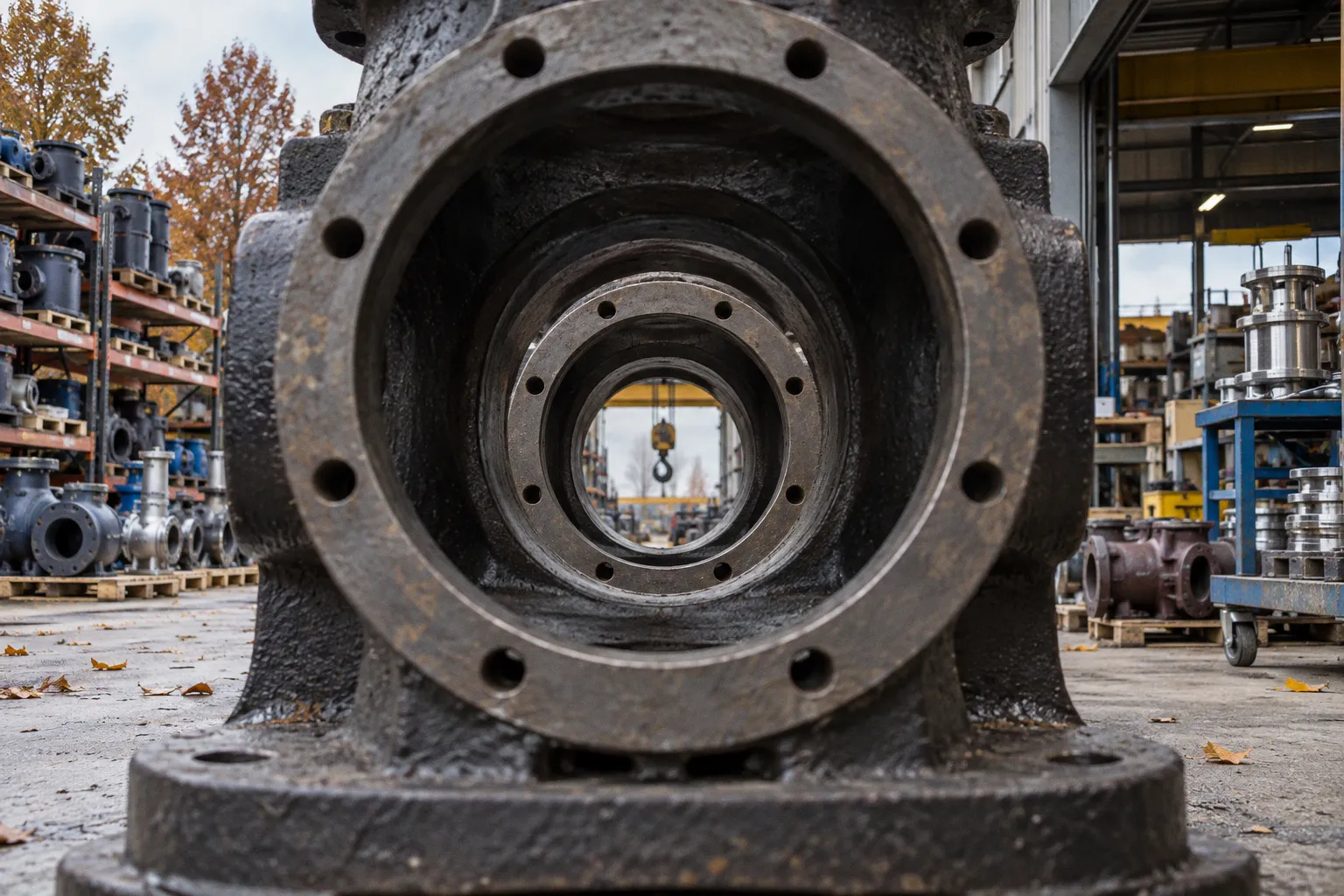
The system targets two operational metrics that maintenance planners track continuously: machine uptime and total cost of ownership through reduced manual intervention. For industrial and mobile equipment fleets running harsh-duty or continuous cycles, a modular automatic pump with remote grease-level monitoring restructures the maintenance workflow at its root cause.
System architecture
The PLP consolidates two established lubrication lineages. Lincoln's heritage sits in heavy-duty mobile and industrial pump design; SKF contributes bearing-condition knowledge and integrated condition-monitoring practice. As reported, the result is a modular pump architecture rather than a fixed-configuration skid. Modularity is the operative detail at the fleet level: maintenance teams can reconfigure or expand lubrication points without replacing the base unit, cutting retrofit downtime when line layouts change.
Grease-level monitoring is the second operational lever. By surfacing reservoir state as a discrete signal instead of a periodic visual check, the system removes a recurring source of human error — the missed inspection cycle. For organizations running lean maintenance crews across multiple shifts, this converts a calendar-based task into a condition-based one, with downstream effects on inspection throughput and lubricant-related error rates.
Verification points before specifying
For reliability and procurement engineers evaluating the PLP, three specifications warrant close reading of the data sheet once it is published:
- Operating pressure and lubricant viscosity range. Automatic lubrication pumps are routinely underspecified for cold-start conditions or high-viscosity greases, producing cavitation and starved bearings.
- Monitoring integration protocol. Grease-level data delivers value only if it lands in the existing CMMS or SCADA stack. Confirm the output format — analog, digital bus, or API — before assuming operational visibility.
- Modular expansion limits. A modular architecture pays off only if the base unit supports the full planned point count without an unplanned reservoir or power upgrade.
The announcement establishes the product category and the stated performance intent. Specific throughput figures, pressure ratings, and pricing still require confirmation from SKF documentation before the unit can be specified into a maintenance program.