The Automation Imperative: How Private Equity Must Lead the AI Transformation of Portfolio Companies
According to Private Equity Professional, automation is moving from a maintenance-era response—replace the aging machine when it finally becomes the bottleneck—to a central value-creation decision…
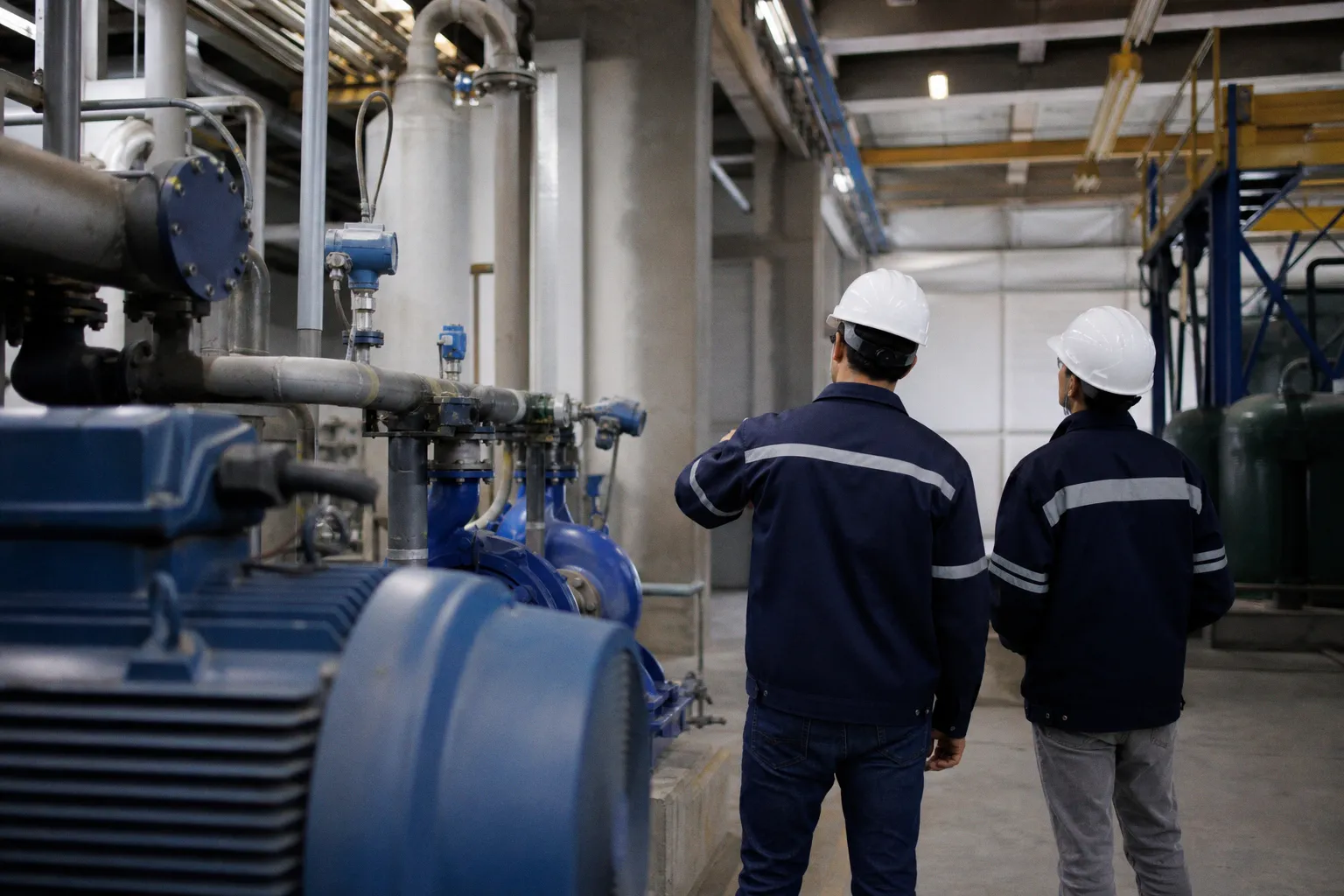
According to Private Equity Professional, automation is moving from a maintenance-era response—replace the aging machine when it finally becomes the bottleneck—to a central value-creation decision for private-equity-owned manufacturers. For pump, valve and industrial hardware businesses, that distinction matters on the ground: a production constraint is rarely just a slow machine; it is often an operator making the same awkward motion through an entire shift, a changeover that holds up the next order, or a quality check that arrives too late to prevent rework.
The article argues that sponsors should lead the AI and automation agenda across portfolio companies rather than wait for individual plants to react to immediate equipment failures. That is a useful shift in framing, provided we keep the work anchored in the real-world context of each cell, line and operator.
Start with the friction, not the technology
In industrial equipment manufacturing, “automation” can become a catch-all word quickly. But the practical question is much simpler: where does the work break down today?
If a valve assembly line loses time during repetitive handling, then a robot, fixture or parts-feed system may be the right conversation. If a pump machining operation is limited by inconsistent changeovers, then the design problem may sit in tooling, material flow and the operator interface—not in a broad AI deployment. And if maintenance teams are repeatedly responding to the same failure pattern, predictive maintenance may deserve attention before another capital project is approved.
Private Equity Professional points to a wider catalogue of opportunities, including customized machinery, vision systems, safety upgrades and AI-driven analytics. The important design discipline is to connect each option to a visible operational friction. Otherwise, a portfolio can buy impressive equipment without improving the moments that shape throughput, quality and operator fatigue.
Durability is the value case
The most persuasive point in the report is that automation can outlast the management initiative that introduced it. Manual process improvements can fade when priorities shift or teams change; an automated process, once properly integrated into production, tends to remain part of the operating system.
That does not mean the machine can be left alone. Durable results depend on maintainability, clear recovery procedures and tactile feedback that lets people understand what the equipment is doing. When a sensor trips, a vision check rejects a part, or a feeder runs low, the person standing beside the system needs an understandable next step—not a screen full of abstract alerts.
The report describes MiddleGround’s work at Race Winning Brands, where the first phase of an automated forging-press installation at an Ohio facility was expected to generate about $9 million in equity value creation. The stated production constraint was lengthy die changeovers. The project increased throughput while reducing heavy lifting and lowering temperatures on the shop floor—an example of why we should not separate productivity from the physical experience of the worker.
What to examine across a portfolio
For leaders overseeing pump, valve and hardware operations, the immediate task is not to declare an AI strategy. It is to create a comparable view of where automation can remove persistent friction across sites.
Look first for processes with repetitive manual handling, constrained changeovers, safety exposure or poor production visibility. Then ask whether the proposed solution will still work when a skilled operator is absent, a part variation arrives, or a maintenance technician has to diagnose a fault under time pressure. If the answer is unclear, the project is not yet designed for the factory floor.
AI can add value in areas such as predictive maintenance and production planning, as the report notes, but it should arrive as part of a usable industrial workflow. When automation gives people safer work, fewer needless lifts, clearer decisions and a more stable rhythm through the shift, the value is not merely captured in an investment model. It becomes something the team can feel every day.