Calibrating Your System: A Guide to Vitamin D3 and K2 Formats
When the concrete factory floor takes its toll on your structural framework, choosing the right supplement format is as critical as selecting the correct industrial valve.

Picture an operator midway through a twelve-hour shift on the stamping line. The concrete floor is unforgiving, the overhead fluorescent lights offer no real nourishment, and the physical repetition creates a subtle, compounding wear on the structural framework of the body. This is a common friction point we see on the ground—operator fatigue isn't just about sleep; it is often a matter of systemic depletion. Just as we wouldn't expect a high-pressure hydraulic pump to run without the correct viscosity of lubricating fluid, we cannot expect our own chassis to maintain its integrity without precise, targeted nutritional inputs.
Our picks: Structural Support and Delivery Formats
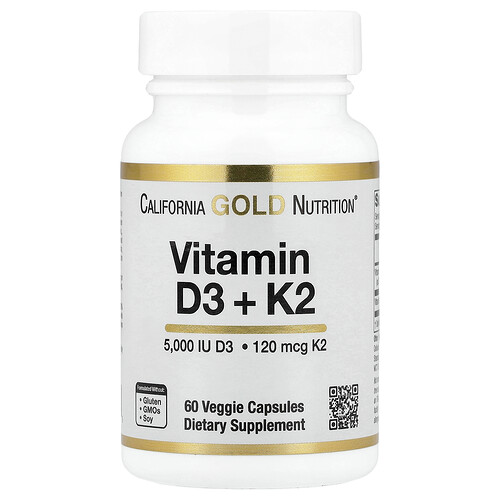
Best for: For the operator looking for a straightforward, plant-based directional valve for calcium routing.
Pros
- Combines D3 with highly bioavailable K2 (MK-7)
- Plant-based capsule format
- Cost-effective baseline maintenance
Cons: Dry capsule format requires taking with a fatty meal · Relatively low capsule count per bottle
What to watch: Taking this on an empty stomach will severely limit the absorption of these fat-soluble vitamins.
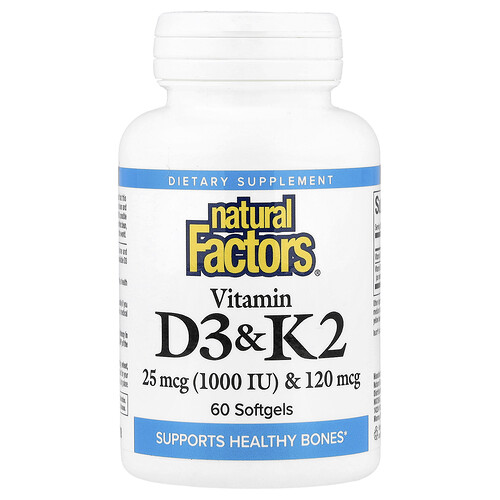
Best for: For those who prefer their active ingredients pre-suspended in a lipid vehicle for smoother systemic integration.
Pros
- Softgel format naturally aids in fat-soluble absorption
- Precise 1,000 IU to 120 mcg ratio
- Minimal pill fatigue due to smooth exterior
Cons: Higher price point for a lower IU dose · Contains animal-derived gelatin
What to watch: Check the label carefully if you have specific dietary restrictions regarding animal-derived gelatins.

Best for: For the worker needing joint lubrication and D3 absorption in one highly efficient payload.
Pros
- Integrates D3 directly with EPA/DHA fish oil
- Excellent built-in lipid carrier for maximum bioavailability
- Generous 180-count supply for long-term operations
Cons: Premium price tag compared to standalone vitamins · Large softgels can be physically difficult to swallow
What to watch: Fish oil can interact with blood-thinning medications, so a medical consultation is mandatory before integrating this into your routine.
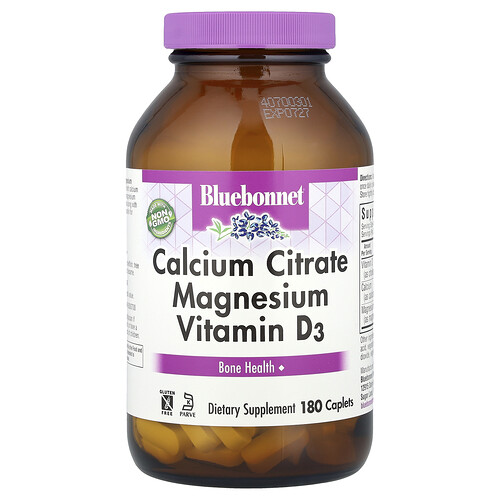
Best for: For structural reinforcement where raw materials and the mixing agent are both depleted.
Pros
- Uses highly absorbable calcium citrate
- Includes magnesium for proper mineral balance
- Provides comprehensive structural bone support
Cons: Requires taking multiple capsules daily to hit target doses · Highest upfront cost in the structural category
What to watch: High calcium intake without adequate Vitamin K2 (which is not included in this specific formulation) may lead to improper calcium routing over time.

Best for: For rapid system recalibration when a severe deficiency has been identified by a medical professional.
Pros
- Extremely high payload per single softgel
- Very low cost per unit of active ingredient
- Easy-to-swallow format
Cons: Lacks K2 for safe high-dose calcium routing · Not suitable for casual, unmonitored daily maintenance
What to watch: 10,000 IU is a clinical dose that can lead to toxicity and hardware damage if used as a long-term supplement without a doctor's oversight.
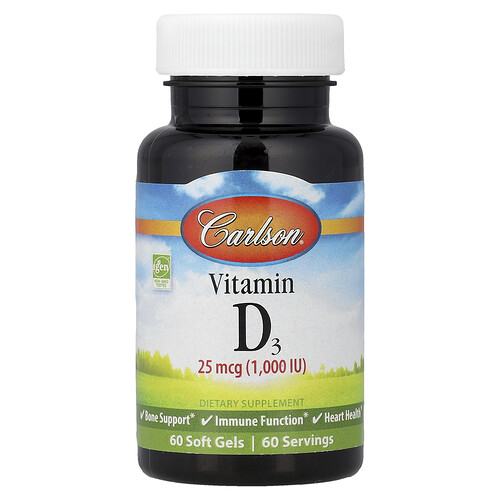
Best for: For a gentle, low-impact daily top-up that won't overwhelm your system's natural tolerances.
Pros
- Very affordable entry price
- Small, highly manageable softgel size
- Safe low-dose maintenance profile
Cons: 1,000 IU may be too low for significant systemic deficiencies · No K2 included in the formulation
What to watch: Because this is a standalone component, you must ensure adequate K2 intake through your diet to maintain proper calcium routing.

Best for: For users experiencing severe pill fatigue who need a tactile, chewable alternative.
Pros
- Eliminates the friction and discomfort of swallowing pills
- Pleasant mixed fruit taste encourages daily compliance
- Provides a modest, safe 1,000 IU dose
Cons: Introduces unnecessary sugars into the daily intake · Lacks a K2 pairing for optimal routing
What to watch: The candy-like format requires strict storage protocols away from children to prevent accidental overconsumption.
When we look at vitamin supplementation in a real-world context, the conversation often stops at the raw input. But in industrial design, we know that an input is useless without a routing mechanism. Vitamin D3 acts as the intake pump, pulling calcium from your environment into your system. However, without Vitamin K2 acting as the directional control valve, that calcium can accumulate in the soft tissues and arteries rather than being routed to the bone matrix where it is actually required.
Why does the delivery format of the active ingredient matter?
The delivery format dictates whether your system can actually process the payload or if it will simply pass through as waste. If you are taking a dry tablet of a fat-soluble vitamin without a lipid carrier, then your absorption rates will plummet, much like trying to force a high-viscosity fluid through a micro-filter. We look for softgels suspended in oils or pairings with Omega-3s because they provide the necessary lipid vehicle for the D3 to cross the intestinal threshold smoothly.
How do we choose between standalone D3 and a D3/K2 pairing?
You should choose a D3/K2 pairing if you are supplementing at higher maintenance doses and need to ensure calcium is routed away from vascular pathways and into skeletal structures. If you are merely topping up a minor deficiency with a low-dose standalone D3, then your body's baseline K2 might suffice, but for anything substantial, the pairing is the safer engineering tolerance. Think of K2 as the fail-safe mechanism that prevents calcium buildup in the wrong pipes.
When is it necessary to integrate calcium and magnesium into the stack?
Integrating calcium and magnesium is necessary when your baseline dietary intake is insufficient to support the structural repairs initiated by the D3 and K2. If D3 is the project manager and K2 is the foreman directing the materials, then calcium is the raw concrete and magnesium is the mixing agent that ensures it sets correctly. We often see operators opting for calcium citrate over calcium carbonate because the citrate form requires less stomach acid to break down, offering better tactile feedback in the form of reduced gastrointestinal friction during a busy shift.
What role do Omega-3 fatty acids play in this system?
Omega-3 fatty acids serve as a highly efficient lipid carrier that maximizes the bioavailability of fat-soluble vitamins like D3. If you combine your D3 with an EPA/DHA fish oil matrix, then you are essentially pre-lubricating the system, allowing the active ingredients to bypass the sluggish absorption rates of dry powders. This dual-action approach not only facilitates the vitamin uptake but also provides its own anti-friction benefits to the joints, which is critical when you are spending all day navigating catwalks and concrete floors. Ultimately, designing your nutritional intake with these synergistic pairings improves the daily life of the worker, turning a reactive maintenance schedule into a proactive, well-oiled operation.
This article is not medical advice. Food supplements replace neither a balanced diet nor treatment — if you have symptoms, your doctor decides.
Ad · affiliate links · If you buy through these links, we earn a commission.