Why India’s Industrial Cooling Infrastructure Needs a National Strategy
If you've ever watched a pump operator at the end of a twelve-hour shift wrestling with a chiller plant that's running hot because the cooling loop can't keep up, you already understand why a recent…
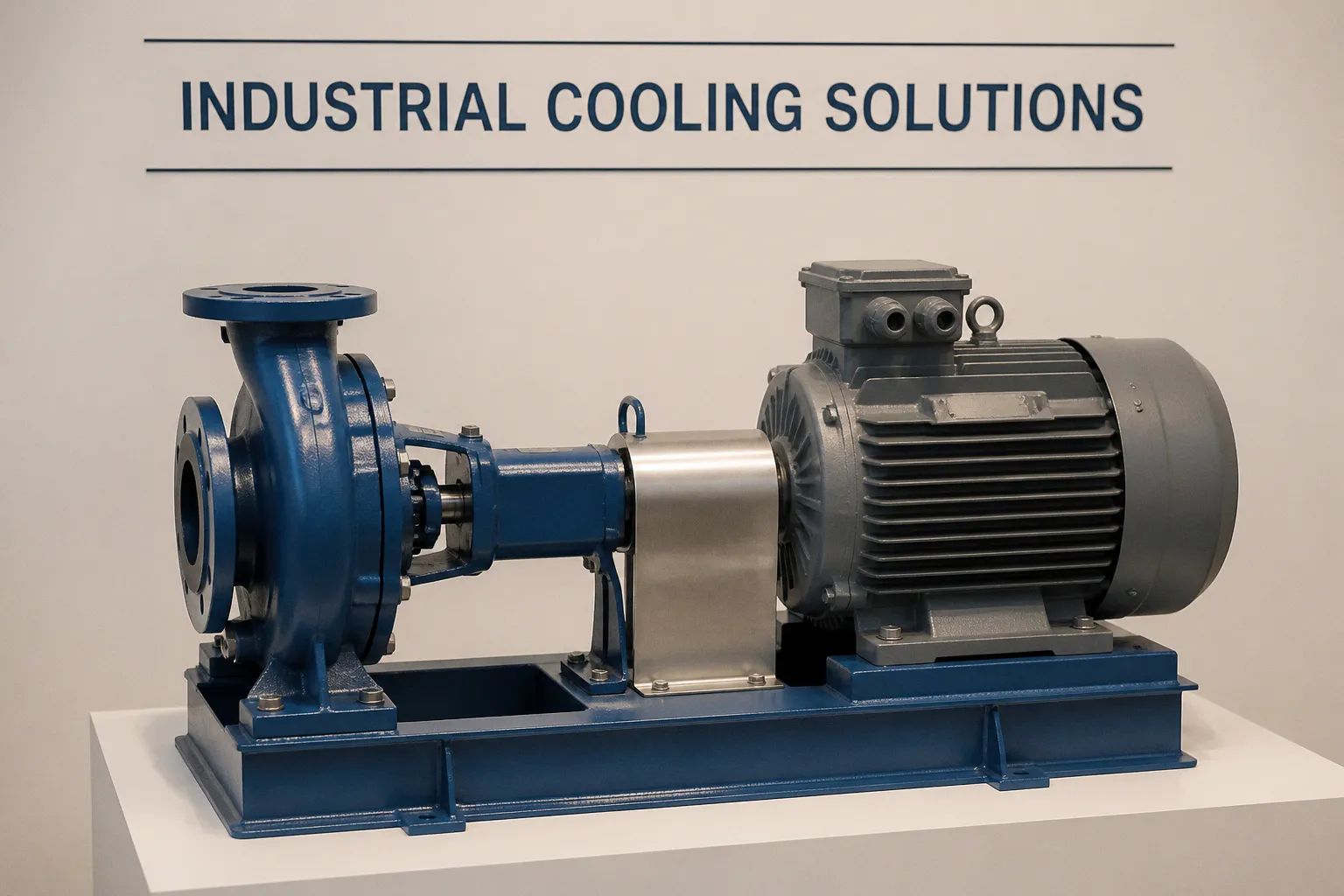
If you've ever watched a pump operator at the end of a twelve-hour shift wrestling with a chiller plant that's running hot because the cooling loop can't keep up, you already understand why a recent industry roundtable in India matters to anyone of us working with industrial pumping equipment. As The Tribune reports, leaders gathered at the ISHRAE CoOL Conclave 3.0 in Coimbatore — hosted and moderated by Grundfos — made the case that district cooling deserves to be treated as essential national infrastructure, on par with power and water, as India pushes toward its Viksit Bharat 2047 vision.
What the roundtable actually surfaced
The framing the participants landed on is one we recognize immediately when we're standing next to a pump skid: cooling isn't a building-level accessory, it's the backbone that keeps productivity, public health, and energy security from buckling under peak demand. India's cooling load is climbing fast — driven by urban growth, new industrial corridors, and rising living standards — and that's putting real pressure on evening and nighttime electricity supply, the window when solar generation drops off and chillers still have to run.
What caught our attention is how explicitly the discussion tied cooling security to the kind of equipment we spec, install, and service every day. District cooling, the experts argued, can lean on load diversity, centralized operations, thermal energy storage, and optimized equipment utilization to dramatically reduce both installed cooling capacity and the electrical infrastructure feeding it. Translated into our working vocabulary, that's fewer oversized pumps sitting in standby, longer service intervals, a lighter maintenance burden, and equipment that actually lasts through its designed lifecycle.
What to watch on the ground
For operators and procurement teams in the pumping world, three practical threads are worth tracking. First, the integration of treated wastewater and recycled water into cooling loops — this is where pump selection, seal technology, and metallurgy start to matter in ways a standard catalog page won't tell you. Second, the conversation around peak-load shaving means variable-speed drives and smarter pump arrays are going to move from "nice to have" to spec essentials. Third, any policy shift that reclassifies cooling as critical infrastructure will eventually ripple into tender documents, where reliability and serviceability — not just first cost — start carrying real weight.
We talk a lot about how hardware decisions quietly shape a worker's day. A district cooling architecture that respects load diversity, that lets a pump run closer to its sweet spot instead of throttling against a constant full-flow command, is the difference between an operator finishing a shift tired and an operator finishing a shift proud. That, more than any policy headline, is what we should be paying attention to.