Xylem Buys Cornell and Roper Pumps for $1.46B: What It Means for Your Fleet
According to WaterWorld, Xylem has agreed to pull Cornell Pump and Roper Pump out of Indicor's portfolio for $1.46 billion — a deal that, for the rest of us, matters less as a stock headline and more…
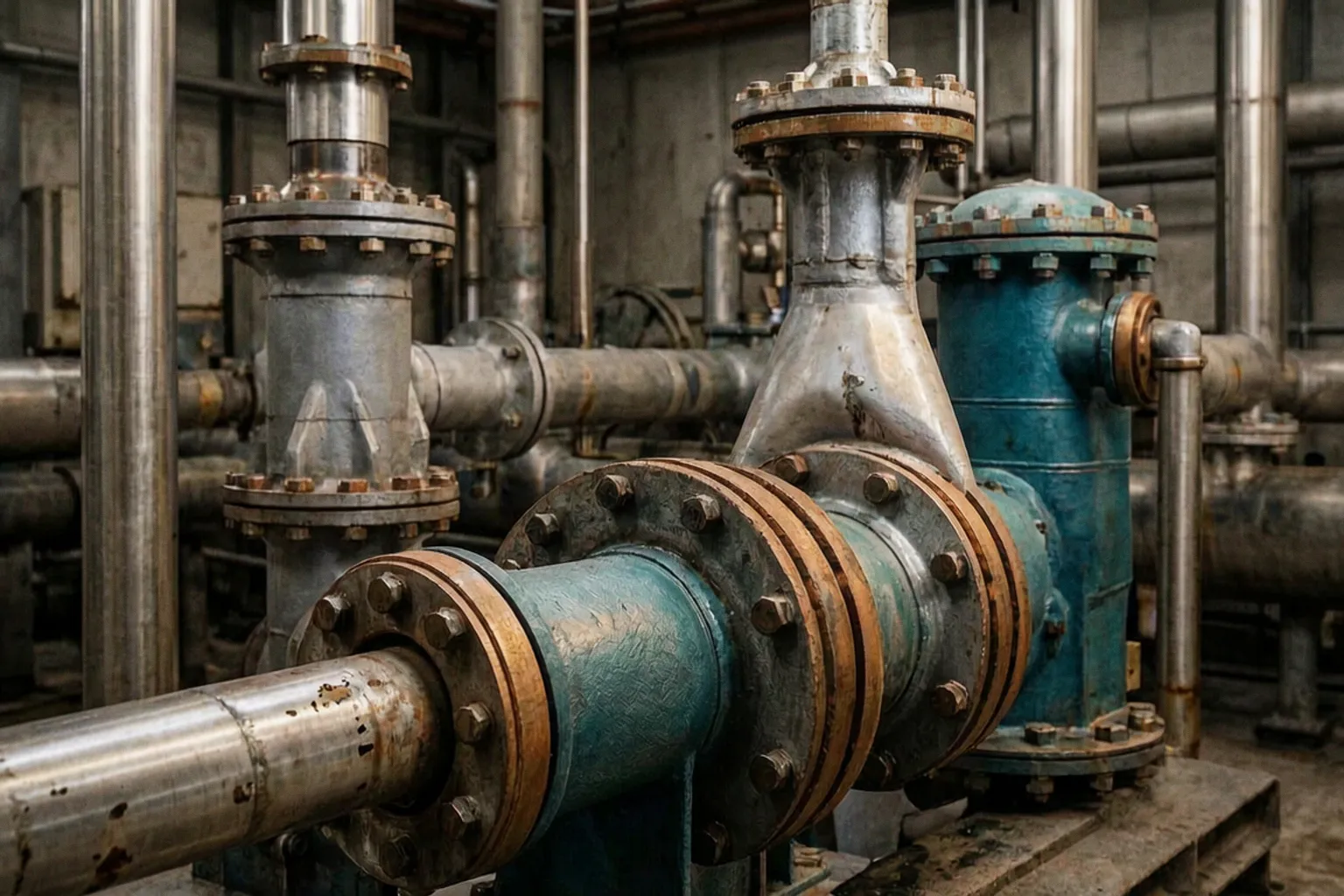
According to WaterWorld, Xylem has agreed to pull Cornell Pump and Roper Pump out of Indicor's portfolio for $1.46 billion — a deal that, for the rest of us, matters less as a stock headline and more as a question about what happens to the pumps we already run on the floor. If you spec pumps for slurry transport, solids handling, or those stubborn suction-lift applications where the operator has to wrestle with a hose just to get prime, you already know the Cornell and Roper names. They live on the floor. They're in the spec books of every mining contractor, every food plant engineer, every municipal water crew who has had a bad day because their self-primer wouldn't behave.
The deal, in plain numbers
Xylem is acquiring the two businesses from Indicor for $1.46 billion in cash. Together, they're expected to generate more than $260 million in 2026 revenue, with EBITDA margins above 30%. Xylem frames the purchase price at roughly 11.6× projected 2026 EBITDA, once you fold in $23 million of expected run-rate cost synergies and an estimated $170 million in tax benefits.
The transaction is expected to close in the fourth quarter of 2026, subject to regulatory approvals and other customary closing conditions. Once it does, Cornell Pump and Roper Pump will sit inside Xylem's Water Infrastructure segment — the bucket that already carries much of Xylem's municipal and industrial water work.
What this means for the people who actually touch the equipment
Let's stay grounded in the real-world context you and your crews live in. Cornell and Roper are not commodity pumps. Their catalogs are built around engineered pumping technologies for slurry transport, solids handling, and demanding suction-lift work — plus self-priming pump technologies that have, frankly, saved operators a lot of operator fatigue over the years. The two lines cover construction and mining, food and beverage, agriculture, energy, and municipal water applications. That's a lot of duty cycles. That's a lot of impeller geometries. If you've ever judged a pump by the way it handles — the way it gives back tactile feedback through the hose when the suction is healthy versus when it's about to lose prime — you know why these names stay on the bid sheet.
If you're in the middle of a pump selection right now, three things matter to you:
First, model availability. Until the deal closes, treat your standard quoting and lead-time conversations as business as usual. Distributors, reps, and the Indicor-led service channels are still the path. Don't pre-emptively re-spec away from a Cornell or Roper line on the assumption something dramatic will change — Xylem has explicitly framed this as an expansion of its pumping portfolio, not a consolidation play.
Second, the service side. Acquisitions of this size almost always come with a 12-to-24-month integration window where warranty handling, parts logistics, and field-service networks get renegotiated. Keep your service records and serial numbers close. If you have an open service ticket with Cornell or Roper as of today, document it and get a reference number from your rep — the same advice you'd give any operator who learned the hard way during a previous merger.
Third, the technology roadmap. Xylem's stated growth pitch here is exposure to markets benefiting from infrastructure investment, industrial modernization, and growing resource demands. Read that as: slurry, solids, and self-priming are exactly where they want to be. That's good news for the long-term parts pipeline on the specific wear components you already stock. It's also a signal that the product names and families you've come to trust are unlikely to be retired in the near term — you don't pay 11.6× EBITDA to sunset a brand.
What to watch through the rest of 2026
- The regulatory path. A $1.46B deal involving two pump manufacturers serving critical municipal and industrial water markets will draw scrutiny. Watch for Hart-Scott-Rodino filings and any second-request review; that would push the close into 2027.
- Segment alignment. Once Cornell and Roper land inside Water Infrastructure, look for cross-sell announcements — Xylem bundling its broader metering, treatment, and pump controls alongside the acquired lines. If you already spec multiple Xylem product families, ask your rep about combined quoting.
- Your own spec sheet. If you're bidding work that runs into 2027, lock in pricing and lead times now, before integration chatter starts moving distributor behavior.
- The accretion timeline. Xylem says the deal becomes accretive to adjusted EPS in 2027. That's a finance-team signal, but it's also a tell: 2027 is the year integration costs hit and pricing discipline usually tightens.
The honest version of this story is that you don't need to do anything dramatic this week. You need to do the boring, careful thing on the ground — keep your documentation tight, your quotes current, and your eye on the Q4 close. The name on the cast-iron plate may change ownership; the way that pump behaves on your floor is still the way that pump behaves.