How Q2 2026 Filtration M&A Activity Impacts Your Equipment Specs
Filtration and Separation published its quarterly mergers and acquisitions review covering the second quarter of the year, tracking the consolidation momentum that continues to reshape who makes what…
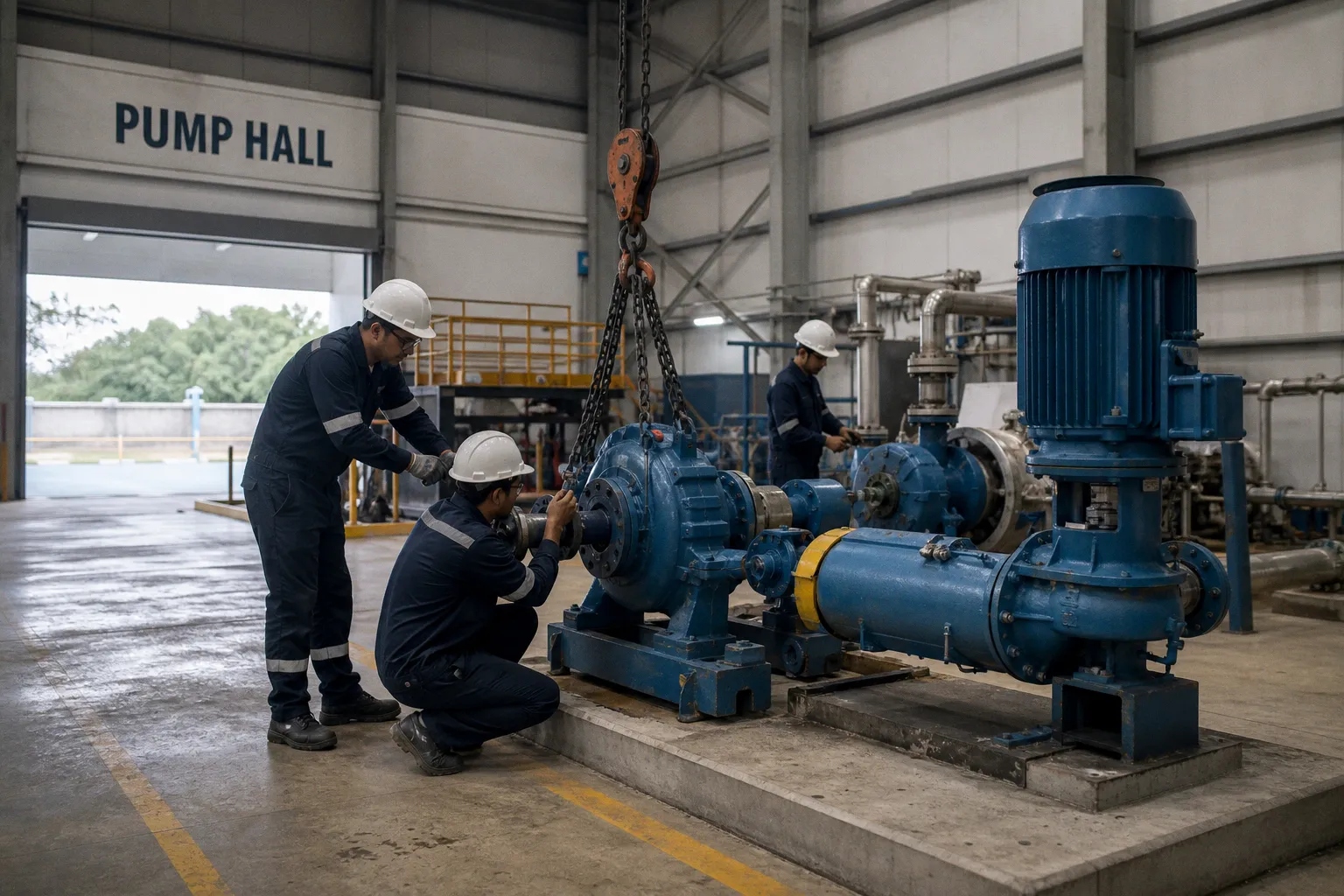
If you've ever stood on a mezzanine overlooking a skid build and wondered whether the filtration supplier you spec'd six months ago will still be around when the filters need replacing next quarter — you're not alone, and Q2 2026 gave us more reason to ask that question. Filtration and Separation published its quarterly mergers and acquisitions review covering the second quarter of the year, tracking the consolidation momentum that continues to reshape who makes what we bolt, plumb, and commission on the floor.
What the consolidation wave actually means for your spec sheets
We talk about M&A like it's a Wall Street story — boardrooms, valuations, ticker symbols. But on the ground, the consequence is far more tactile. When a filtration manufacturer absorbs a competitor or gets absorbed itself, the part numbers you've built into your maintenance schedules, your P&IDs, your spare-parts racks — those don't travel cleanly. SKU rationalization is the polite term; what it really means is that the housing you've been ordering for three years quietly gets "sunset" and you're handed a cross-reference sheet that may or may not fit the same bolt pattern without an adapter.
A quarterly M&A review like this one from Filtration and Separation is worth bookmarking not for the headlines, but because it's the kind of early-signal reading that lets you ask your vendor rep the right question before the purchase order goes out: "Is this product line still going to exist in eighteen months?"
The operator-level reality nobody puts in a press release
Here's what we see time and again when filtration companies merge. First six months, everything feels normal — same sales engineer, same lead times. Then the integration starts. The acquiring company audits the product portfolio, and filters or housings with overlapping specs get consolidated. The replacement might be technically equivalent on paper, but the gasket material is different, the flow-rate curve shifts slightly at your operating pressure, and now your validation team has to re-qualify a component that was supposed to be a one-for-one swap. If you're running a process where filtration performance is tightly coupled to downstream equipment — pumps, heat exchangers, membrane systems — that "minor" substitution can cascade into unplanned downtime.
Operator fatigue also plays a role here. When your crew has muscle memory for a specific filter-change procedure — the twist, the seating feel, the tactile feedback of a properly locked housing — and that changes because the new parent company redesigned the seal interface, you're not just dealing with a parts issue. You're dealing with a training gap that shows up as rework, as leaks during commissioning, as the kind of quiet inefficiency that never makes a downtime report but eats minutes off every shift.
What to check right now
Without the full text of the Q2 review, we can't call out specific deals or targets — and frankly, the named transactions matter less than what you do with the information. Here's a practical checklist if you source filtration hardware for an industrial operation:
- Audit your approved vendor list. Cross-reference it against any reported acquisitions in the filtration space. If two of your approved suppliers just became one company, your single-source risk just doubled without anyone changing a PO.
- Pull your maintenance BOMs forward. Look at filter elements, housings, and seals you're scheduled to order in the next two quarters. Confirm part-number availability directly — don't rely on distributor catalogs, which lag behind corporate portfolio decisions by months.
- Talk to your reps, not just your catalogs. Ask pointed questions about product-line roadmaps. A good vendor will tell you if a platform is being phased out; a merged entity in integration mode may not volunteer that information unprompted.
- Document what's installed now. Photograph nameplates, record serial numbers, note the as-built configuration. If a supplier consolidation forces a retrofit, having clean baseline documentation turns a week-long investigation into an afternoon conversation with engineering.
The filtration market has been consolidating for years, and each quarter's M&A activity adds another layer of complexity to the work of keeping systems running. A quarterly review like this one is a useful pulse check — not because every deal affects your plant, but because staying aware of the landscape is what separates proactive spec management from scrambling when a "direct replacement" turns out to be anything but. We'll keep watching the next quarter's activity as those details become available, and you should too.