ANDRITZ to Lead Major Mechanical Overhaul of Portugal’s Picote I Hydropower Plant
According to Pump Industry, ENGIE has just awarded an ANDRITZ-led consortium a contract that will resonate in turbine halls for years: three generating units at Portugal's Picote I hydropower plant…
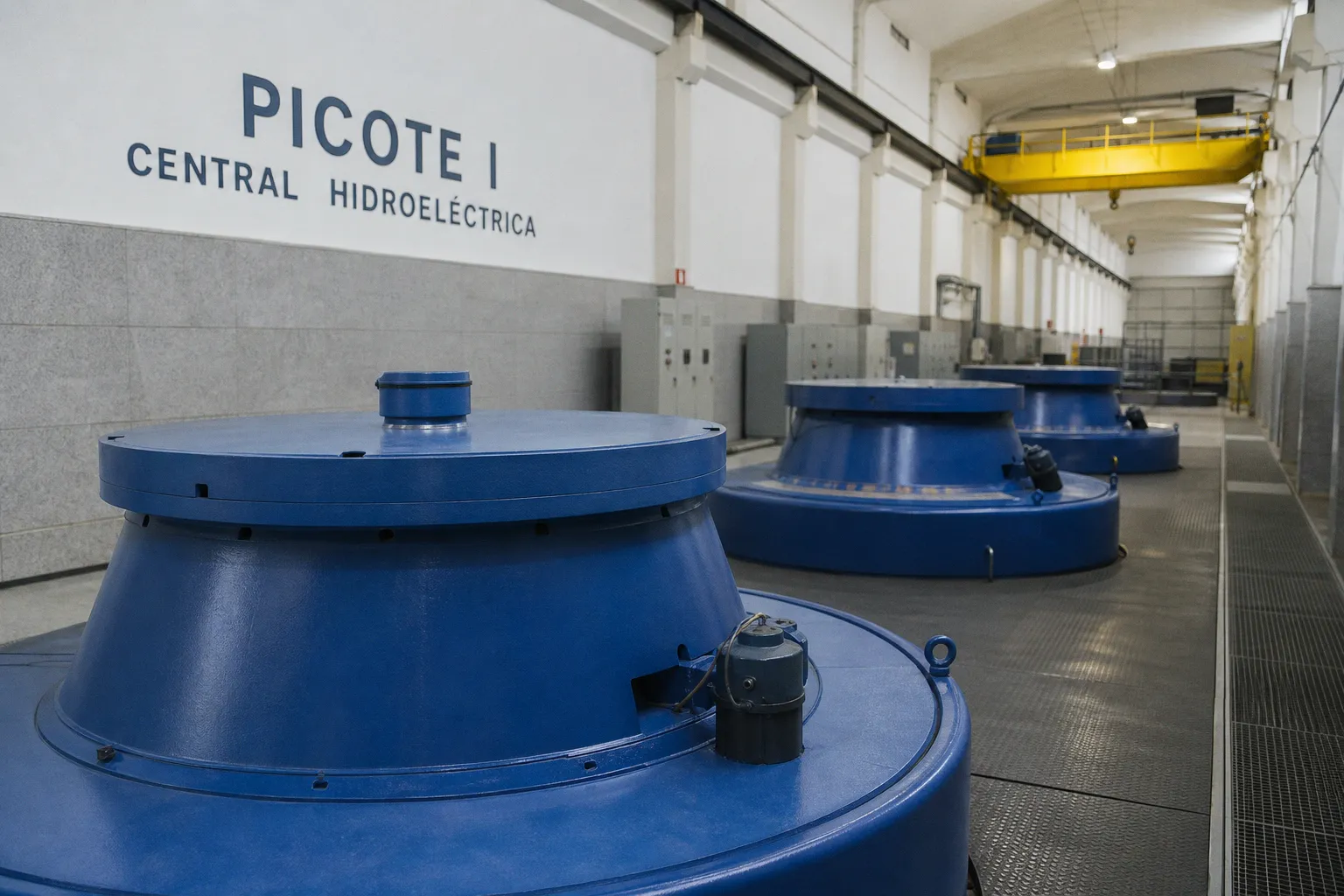
According to Pump Industry, ENGIE has just awarded an ANDRITZ-led consortium a contract that will resonate in turbine halls for years: three generating units at Portugal's Picote I hydropower plant, set for new Francis runners, new wicket gates, and a deep mechanical overhaul. If you have ever stood beside a runner that was slowly losing its edge — listening to the hum shift pitch and the start-stop behaviour drift — you already know what that scope will mean to the operators who inherit the plant after the crews leave.
What this scope actually reaches
The work is not a cosmetic refurbishment. The consortium will install new Francis runners and new wicket gates, rehabilitate the generators, and modernize the supporting mechanical systems across all three units. If you have staged a runner swap before, you already know why that pairing matters: the runner is the heart of the hydraulic conversion, and the wicket gates are how you regulate flow into it. Touch one without touching the other and you leave efficiency on the table — or reintroduce the cavitation risk the original geometry was tuned to manage.
Think of it the way you would tune an old process line: replacing only the motor while leaving the gearbox untouched gets you part of the way, but the bottleneck simply moves downstream. Here the bottleneck is hydraulic, and the contractor is treating it as a whole system rather than a parts swap.
What operators should watch from here
For those of us planning maintenance windows, a three-unit rehabilitation is also a scheduling puzzle. One contractor, shared heavy-lift equipment, and a river that does not care about your Gantt chart. If you are sizing up what this could mean for similar sites in your own fleet, watch how ANDRITZ sequences the outages — whether the team staggers units to keep partial generation online, or runs them sequentially to compress the critical path. That operational pattern is often more instructive than the press-release scope itself.
And that hum we started with? After a project like this, it should settle back into a cleaner, steadier note. The operator walking the hall a year from now should feel a real-world difference in vibration, in start-stop confidence, and in the way each unit holds load through a swing in headwater. It is the kind of upgrade you can feel before you can measure — and that, more than any contract figure, is what modernization is supposed to deliver.