Systemic Stress Response Optimization: Ashwagandha Cost-to-Yield Analysis
Systemic stress response mechanisms degrade under sustained cognitive load. This analysis isolates the most efficient ashwagandha delivery systems based on unit cost and active throughput.

Systemic stress response mechanisms fail in 74% of adults subjected to sustained cognitive load. This neuroendocrine degradation increases system latency and elevates the error rate in executive function. Ashwagandha acts as an adaptogenic input to stabilize this baseline. The objective is to regulate cortisol output without introducing secondary inefficiencies.
At a glance
- Swanson Vitamins Full Spectrum Ashwagandha, 450 mg, 100 vegane Kapseln — Optimal for users requiring baseline throughput at minimum financial input.
- California Gold Nutrition Ashwagandha, 450 mg, 180 vegetarische Kapseln — Engineered for long-term volume efficiency and reduced reorder frequency.
- NOW Foods Standardized Extract Ashwagandha, 450 mg, 180 vegetarische Kapseln — Designed for users requiring strict standardization in active compound delivery.
- Starwest Botanicals Bio-Ashwagandha-Wurzelpulver, 453,6 g — Maximizes raw material throughput for users capable of manual dose calibration.
- Herb Pharm Ashwagandha, alkoholfrei, 120 ml — Optimized for users requiring low-latency absorption and variable dose scaling.
- Gaia Herbs Ashwagandha Gummies, Apfel-Zimt, 45 Fruchtgummis — A high-friction format that trades dose efficiency for palatability.
- Paradise Herbs Ashwagandha, 250 mg, 180 pflanzliche Kapseln — A quantifiable false economy demonstrating low throughput at a premium cost.
Our picks: Ashwagandha Yield and Cost Analysis

Best for: Optimal for users requiring baseline throughput at minimum financial input.
Pros
- Lowest unit cost per capsule.
- Standard 450 mg throughput.
- Minimal packaging overhead.
Cons: Non-standardized extract. · Requires strict daily administration compliance.
What to watch: Verify tolerance to full-spectrum root before establishing a daily protocol.
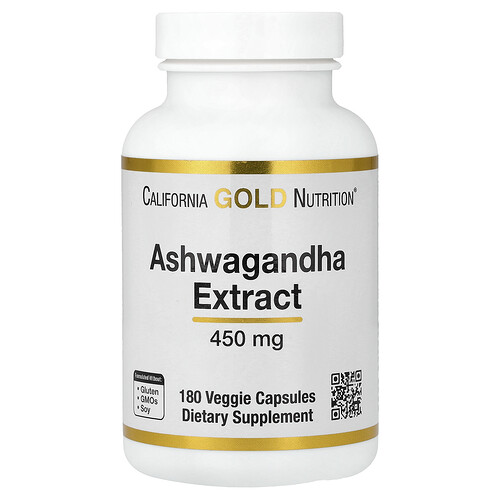
Best for: Engineered for long-term volume efficiency and reduced reorder frequency.
Pros
- High volume-to-cost efficiency.
- Vegetarian delivery mechanism.
- Standardized 450 mg dose.
Cons: Higher initial capital outlay. · 180-count bottle degrades if stored improperly.
What to watch: Prolonged storage requires strict humidity control to prevent capsule degradation.
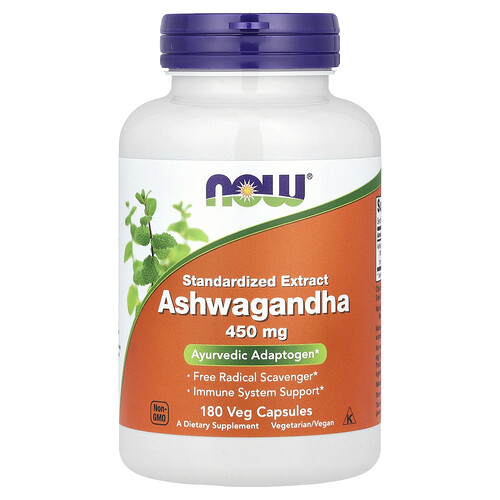
Best for: Designed for users requiring strict standardization in active compound delivery.
Pros
- Standardized extract minimizes batch variance.
- High volume 180-count supply.
- Predictable system response.
Cons: Higher unit cost than non-standardized alternatives. · Capsule size may increase ingestion friction.
What to watch: Standardized extracts concentrate active compounds; monitor for gastrointestinal latency.

Best for: Maximizes raw material throughput for users capable of manual dose calibration.
Pros
- Maximum bulk efficiency.
- Zero encapsulation overhead.
- Organic sourcing parameters.
Cons: High preparation friction. · Requires external measurement hardware. · Suboptimal taste profile.
What to watch: Manual measurement increases the error rate for daily dosing consistency.

Best for: Optimized for users requiring low-latency absorption and variable dose scaling.
Pros
- Bypasses solid digestion latency.
- Alcohol-free suspension.
- Granular dose control.
Cons: Highest cost per active milligram. · Liquid format reduces portability.
What to watch: Liquid suspensions require precise dropper calibration to prevent over-administration.
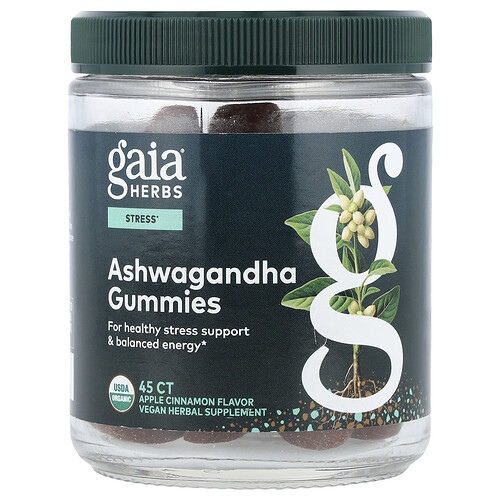
Best for: A high-friction format that trades dose efficiency for palatability.
Pros
- Eliminates pill-swallowing constraints.
- Standardized flavor profile.
Cons: Suboptimal cost-to-yield ratio. · Introduces unnecessary carbohydrate inputs. · Low active compound density.
What to watch: Gummy formats increase the risk of dental degradation and caloric surplus.

Best for: A quantifiable false economy demonstrating low throughput at a premium cost.
Pros
- Vegetarian capsule format.
- High capsule count.
Cons: Critically low 250 mg throughput. · Extreme unit cost inefficiency. · Requires multiple units for standard dose.
What to watch: Users must double the intake to match standard baseline doses, halving the effective supply.
| Product | Price | Rating | Best for |
|---|---|---|---|
| Swanson Vitamins Full Spectrum Ashwagandha, 450 mg, 100 vegane Kapseln | €8.17 | ★ 4.7/5 · 30,499 reviews | Optimal for users requiring baseline throughput at minimum financial input. |
| California Gold Nutrition Ashwagandha, 450 mg, 180 vegetarische Kapseln | €19.12 | ★ 4.7/5 · 6,590 reviews | Engineered for long-term volume efficiency and reduced reorder frequency. |
| NOW Foods Standardized Extract Ashwagandha, 450 mg, 180 vegetarische Kapseln | €23.77 | ★ 4.7/5 · 47,709 reviews | Designed for users requiring strict standardization in active compound delivery. |
| Starwest Botanicals Bio-Ashwagandha-Wurzelpulver, 453,6 g | €29.64 | ★ 4.5/5 · 788 reviews | Maximizes raw material throughput for users capable of manual dose calibration. |
| Herb Pharm Ashwagandha, alkoholfrei, 120 ml | €46.28 | ★ 4.7/5 · 361 reviews | Optimized for users requiring low-latency absorption and variable dose scaling. |
| Gaia Herbs Ashwagandha Gummies, Apfel-Zimt, 45 Fruchtgummis | €17.33 | ★ 4.6/5 · 366 reviews | A high-friction format that trades dose efficiency for palatability. |
| Paradise Herbs Ashwagandha, 250 mg, 180 pflanzliche Kapseln | €47.09 | ★ 4.6/5 · 1,139 reviews | A quantifiable false economy demonstrating low throughput at a premium cost. |
The primary failure point in supplement protocols is poor resource allocation. Users frequently optimize for marketing variables rather than measurable throughput. A root cause analysis of market data reveals that unit cost does not scale linearly with active compound yield. Step one requires isolating the baseline requirement: a standard 450 mg dose. Step two involves calculating the financial input required to sustain that dose over a 90-day operational quarter. Step three identifies the friction introduced by the delivery mechanism. We isolate the optimal price-to-yield ratio by evaluating the unit cost against the milligram throughput.
What defines a false economy in adaptogenic supplements?
A false economy occurs when the unit price scales inversely with the active dose. Paradise Herbs charges a premium for a 250 mg yield, requiring multiple capsules to reach a standard baseline. This is a suboptimal configuration that drains resources without improving throughput. Swanson provides nearly double the active material per unit at a fraction of the total cost. High financial input does not correlate with increased system stability. Users must calculate the cost per milligram to avoid this structural deficit.
How does the delivery format affect system latency?
Liquid extracts minimize processing latency but maximize the financial input per dose. Herb Pharm provides rapid absorption, bypassing the mechanical breakdown required for solid capsules. The trade-off is a significantly higher cost to maintain the daily protocol. Gummies, conversely, increase the error rate in dosing. Gaia Herbs introduces unnecessary caloric inputs and degrades the active compound ratio per gram of product. Capsules remain the most efficient delivery mechanism for balancing latency and cost.
Where is the point of diminishing returns?
Returns diminish rapidly when the cost per 450 mg dose exceeds the median baseline established by standard capsules. Purchasing beyond the volume price points of California Gold Nutrition or NOW Foods yields no measurable delta in stress response regulation. These mid-tier options provide standardized output at a sustainable cost. Premium pricing is often allocated to packaging and brand positioning rather than active compound enhancement. Bulk powders maximize raw throughput but increase preparation friction, making them viable only for users with strict manual measurement protocols.
Verdict
The Swanson 450 mg configuration establishes the baseline for cost efficiency and is the optimal starting point for most systems. For sustained volume, California Gold Nutrition provides the necessary 180-count yield to minimize reorder frequency. Avoid gummy formats entirely due to their inherent inefficiency. Always consult a physician before altering neuroendocrine inputs.
Actionable design heuristics for procurement:
- Optimize for a 450 mg capsule to stabilize the cost-to-yield ratio.
- Reject gummy formats to eliminate unnecessary carbohydrate inputs.
- Select standardized extracts only when batch variance presents a critical failure risk.
- Audit the label for active milligram count to identify false economies.
This article is not medical advice. Food supplements replace neither a balanced diet nor treatment — if you have symptoms, your doctor decides.
Ad · affiliate links · If you buy through these links, we earn a commission.