Coronado Completes Parker Pump Station Upgrade Ahead of Severe Winter Storms
According to Coronado Times, the City of Coronado has completed construction of the Parker Pump Station ahead of schedule, with the upgraded facility intended to handle greater stormwater capacity…
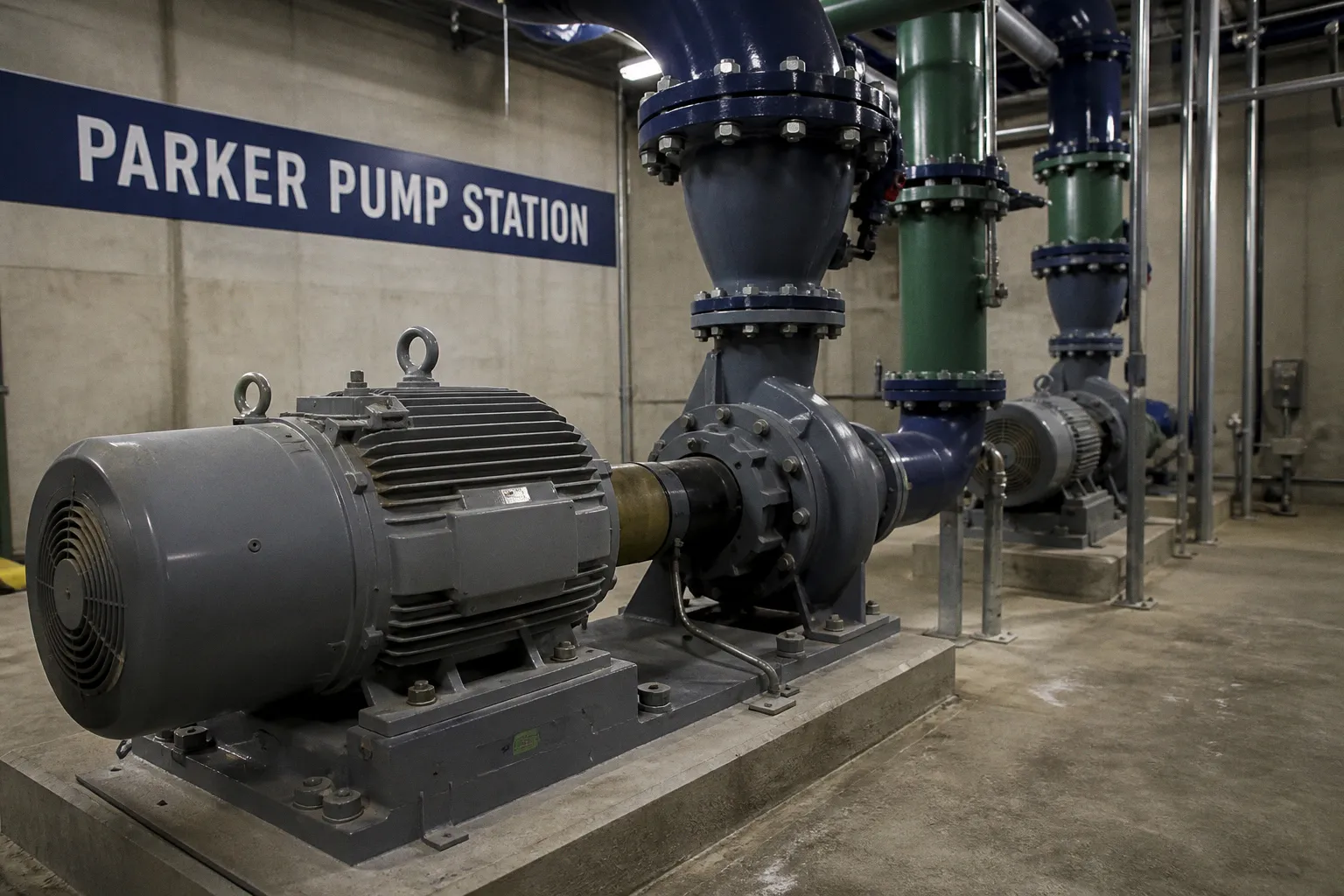
According to Coronado Times, the City of Coronado has completed construction of the Parker Pump Station ahead of schedule, with the upgraded facility intended to handle greater stormwater capacity before the winter season. For anyone working with pumps, valves, or municipal infrastructure, the important point is not the ribbon-cutting moment but the change in operating readiness: a critical pumping asset is moving into service before a season the city expects could bring severe El Niño conditions. On the ground, that gives crews and residents a more prepared piece of hardware to rely on when rainfall puts the drainage network under pressure.
The practical change is capacity at the point of risk
A pump station can be easy to overlook until the water arrives faster than the surrounding system can move it. If stormwater inflow rises and the station has insufficient capacity, then every downstream component—collection lines, controls, discharge routes, and emergency response—has less room to absorb the event. The Parker upgrade is designed specifically to increase stormwater capacity, which makes its completion relevant well beyond the equipment room.
For operators, the useful distinction is between a project being physically finished and a station being ready for service. The report says construction was completed ahead of schedule, but the practical question remains whether the facility is operating as intended under real conditions. That is where commissioning, controls, alarms, pump sequencing, and accessible maintenance points matter. A station may look complete from the outside, yet the daily experience for the crew depends on whether tactile feedback, electrical systems, and monitoring tools make abnormal conditions easy to detect.
What to verify before the next major rain event
We should treat this announcement as a readiness signal, not as proof that every flooding risk has disappeared. If you are reviewing the project from an equipment or service-design perspective, start with the operational basics:
- Confirm that the upgraded station is in service and that responsibility for operation has transferred to the city.
- Check whether stormwater pumping procedures and emergency contacts have been updated for the winter season.
- Review how operators will identify loss of power, pump faults, blocked intake conditions, or unusual flow.
- Look for public storm-preparedness updates, especially where residents and field crews need to coordinate during heavy rainfall.
- Track the remaining site work separately from the pumping asset itself, since surface grading, cleanup, and public-space construction can continue after the station is operational.
These checks are not paperwork for its own sake. During a long shift, clear alarms and predictable access reduce operator fatigue; they help the person standing beside the equipment decide what to do next instead of forcing them to interpret a confusing sequence under pressure.
Why timing matters for infrastructure teams
The station replaces an older facility and is now positioned to support the city ahead of the winter season, according to the report. That timing gives Coronado an opportunity to observe the new system in real-world context before conditions become severe. The first meaningful test will not be how polished the installation appears, but how well the full operating workflow holds together when rainfall, alarms, traffic, communications, and maintenance demands arrive at once.
For the people who depend on this kind of infrastructure, completion is therefore the beginning of the useful phase, not the end of the story. A pump station improves daily life when its hardware is ready before the crisis, its controls speak clearly to the crew, and its capacity gives the wider drainage system more breathing room when the ground can no longer absorb what is coming.