Digitalizing Industrial Assets: How Electronic Nameplates Are Reshaping UK Pump Maintenance
As reported by Engineer Live, the BPMA is pushing a digitalization agenda built around electronic nameplates and Digital Product Passports, and the ripple effects reach every spec sheet, every…
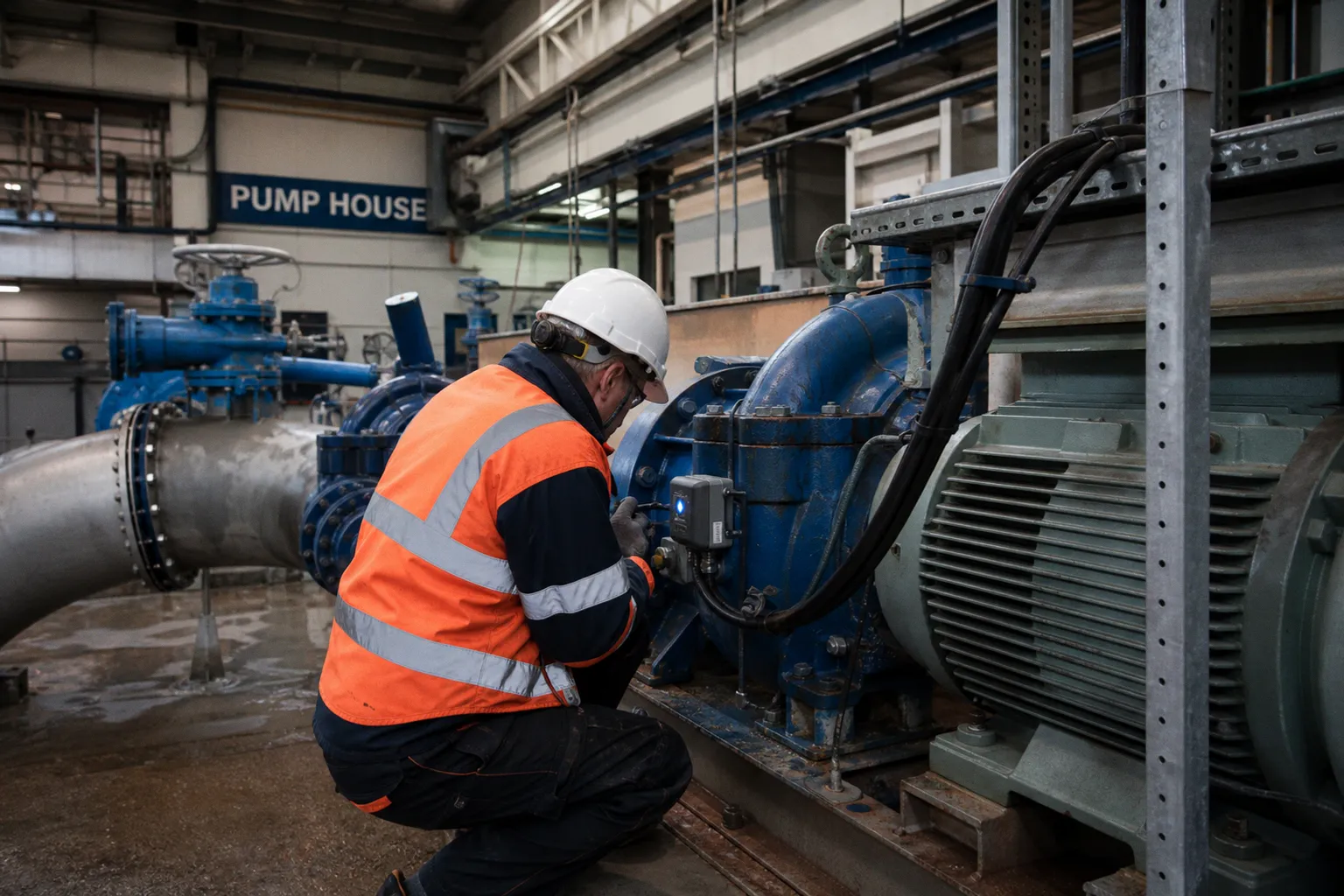
Think about the last time you crouched beside a pump on a damp factory floor, squinting at a nameplate half-eaten by corrosion, trying to figure out which model you were actually dealing with. That moment — the one where you're guessing serial numbers against faded text — is exactly the kind of friction the British Pump Manufacturers Association is trying to retire. As reported by Engineer Live, the BPMA is pushing a digitalization agenda built around electronic nameplates and Digital Product Passports, and the ripple effects reach every spec sheet, every maintenance round, and every handover between shifts.
Why a nameplate matters more than you'd think
On the ground, the humble nameplate is the single point of contact between a pump and everyone who touches it after it leaves the factory. If the data is right, your technician pulls up the correct curve, your buyer reconciles the right warranty, and your compliance team logs the right asset. If the data is wrong or missing, you get the kind of small, cumulative irritation that quietly compounds into operator fatigue by the end of a long shift. Electronic nameplates turn that etched-in-metal record into something queryable — instead of climbing into a plant room with a flashlight, your team scans a code and pulls the full specification history straight onto a tablet, which changes how we specify equipment in the first place.
Digital Product Passports and what they do for you
The bigger move here is the Digital Product Passport, a structured, machine-readable record that travels with the pump through its entire life. Picture it as the difference between a paper sticky note pinned to a filing cabinet and a proper database entry that everyone on the floor can actually trust. In practical terms, it means the next operator inherits verified data rather than hearsay during shift handover, your maintenance team pulls service intervals and spare-part references directly from the passport instead of digging through a binder, and your compliance trail is already organized when an auditor walks in.
We are still early in this transition, and the BPMA's push reads more as a direction-of-travel signal than a finished standard. But if you're specifying or operating pumps right now, the practical question is simple: ask your supplier whether they support electronic nameplates and what their Digital Product Passport roadmap looks like. If the answer is vague, that is your cue to keep pressing — because the teams who adopt this early will spend less time chasing paperwork and more time doing the actual work that the rest of us are quietly counting on.