How Electric Quick-Closing Valves Are Replacing Hydraulic Systems on Modern Vessels
Picture this: you're below deck on a mid-sized vessel, somewhere between the engine room and the auxiliary systems, and a quick-closing valve has been quietly waiting for that one moment it was…
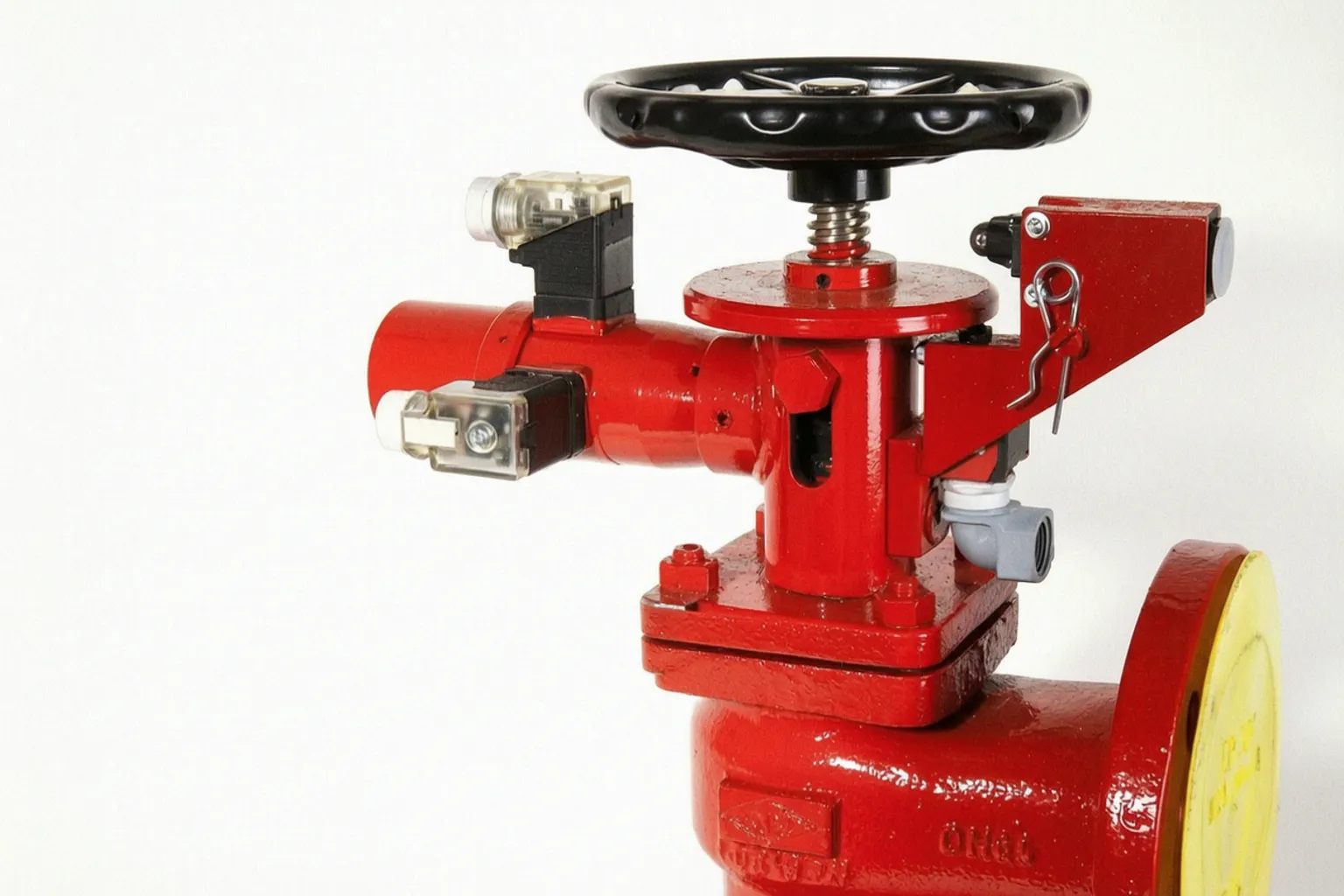
Picture this: you're below deck on a mid-sized vessel, somewhere between the engine room and the auxiliary systems, and a quick-closing valve has been quietly waiting for that one moment it was designed for — and nobody noticed a slow leak in its hydraulic actuator until last month's audit. At SMM 2026, LOEWE Marine unveiled electrically actuated quick-closing valves that aim to end exactly that kind of silent failure, according to Hansa.news. By trading hydraulic and pneumatic muscle for electrical actuation, the system gives operators real-time visibility into valve health — something the old architecture rarely offered.
What changes when hydraulics step aside
When you replace a hydraulic actuator with an electric one, the first thing you stop noticing is the compressor room. No more routing pneumatic lines through the bulkhead, no more hydraulic power units needing seasonal flushes. The electrical architecture lets a single blackout-safe control cabinet supervise multiple valves while maintaining the functional integrity of the emergency shut-off system — a meaningful shift if you've ever traced a fault through a jungle of hydraulic fittings and pressure gauges.
The practical upshot: if your vessel runs more than a handful of quick-closing valves, you can now consolidate release stations without pulling new compressed-air distribution. For the operator, that means fewer interfaces to learn and fewer leak points to inspect during a shift.
Diagnostics that speak the operator's language
Here's the thing that matters most on the ground: the old remote-operated valves often told you they had failed only after they failed. Electric actuation flips that script. The system continuously monitors both the valves and the associated control equipment, with integrated diagnostic functions and alarm handling that flag potential faults at an early stage, reducing the risk of undetected failures. External signalling can be added where you need it — so the bridge, the engine room, and the operator's HMI all see the same picture at the same time.
If a contactor starts to drift or a wiring joint loosens, you learn about it during a routine round, not during an emergency drill.
What to check on the ground
Before you spec this into your next project, run through a few real-world questions with the vendor. The protocol support is the first one — communication can be established via conventional hardwired interfaces or Modbus today, and MTP (Modular Type Package) integration is under development as a further step toward standardised engineering. If your automation stack already runs on Modbus, integration gets straightforward; if you're waiting on MTP, ask for a concrete timeline. Next, the blackout behaviour: the control cabinet is described as blackout-safe, so ask to see the certification, not just the slide deck. Then think about the retrofit reality — the absence of hydraulic piping reduces installation effort and space requirements, but on an existing vessel you'll still be threading new cables through old penetrations and trays, so walk the deck with the engineering team before you commit to a layout. Finally, the commissioning footprint: the promise of faster installation, simplified commissioning, and fewer interfaces requiring adjustment holds up in greenfield, but in a fifteen-year-old engine room, factor in the cable-pulling labour.
In the end, the handover is what we care about. When the system goes live, the deck crew shouldn't need a three-day course to run it. The diagnostics surface familiar patterns — a healthy valve, a warning valve, a faulted valve — and the release stations behave the way the old ones did. The difference is that now the operator gets a quiet heads-up before something becomes a story for the maintenance log. That's the real shift: not the absence of hydraulics, but the presence of information exactly where the operator stands.