Hartmann Valves Pivots to Hydrogen and Geothermal Infrastructure Solutions
That real-world context is part of what's driving Hartmann Valves to push beyond its conventional oil and gas comfort zone, according to Valve World Expo.
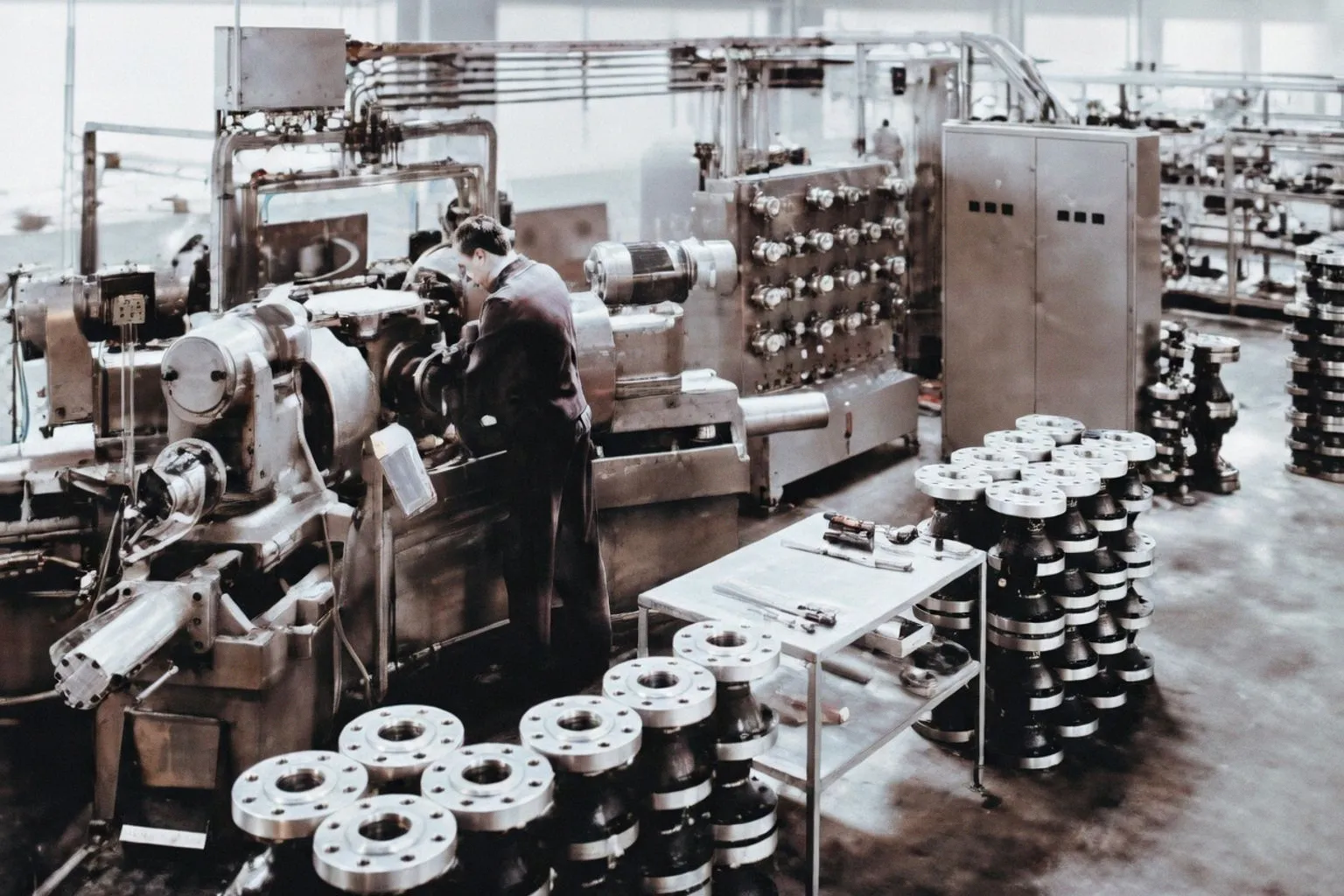
Picture an operator at a geothermal wellhead on a Tuesday morning — the sun's already cooking the steel, the wrench in their hand is slick with condensate, and they need a valve that won't bind when the line cycles between cold injection and a scalding return. That real-world context is part of what's driving Hartmann Valves to push beyond its conventional oil and gas comfort zone, according to Valve World Expo.
The trade publication reports that Hartmann is expanding its industrial valve portfolio to include specialized metal-seated ball valves and wellhead systems aimed at three very different environments — hydrogen service, carbon capture, and geothermal energy — where the old "good enough for crude" spec sheet has a way of failing before the first quarter is out. For those of us who track where the valve industry is placing its bets, that's a notable swing.
What's actually moving in the portfolio
On the ground, this is a meaningful shift in focus. Metal-seated ball valves are built to take thermal cycling and abrasive media that would chew up a soft seat in a matter of weeks. In hydrogen service, the conversation starts with molecular size and embrittlement risk — the seat and body metallurgy have to be specified with a different lens entirely. In carbon capture, you're looking at CO2, moisture, and trace contaminants that punish elastomers, which is exactly why a metal seat stops being a premium upgrade and becomes the practical answer. And on geothermal, the constant swing between ambient injection temperatures and hot returns is the kind of thermal shock that exposes a soft-seat pretender before the warranty period is over.
Why this matters if you spec, install, or turn wrenches for a living
If you've ever watched a maintenance tech sigh when a valve starts needing attention after only six months in service, you already understand why this announcement deserves a closer look. Hydrogen, carbon capture, and geothermal aren't drop-in applications for a stock oil and gas valve — they're different beasts, and the operator fatigue from dealing with premature failures is real on the shift. The tactile feedback you get from a properly seated metal ball valve is part of why crews tend to trust them once they've worked around one.
What to track before you spec anything
We don't yet have detailed pressure class ranges, material certifications, or lead times from the announcement itself, so before any of us adds Hartmann to a bid, it's worth pulling the data sheets directly. The homework that turns a press release into a usable specification: hydrogen service certification, full-pressure differential cycling test data, and clear traceability of the seat metallurgy. That's the work that turns an announcement into something your crew can actually trust on a midnight turnaround.