How Electric Motorised Valves Cut Chemical Injection Costs on Offshore Platforms
According to Engineer News Network, Emerson has just released a new piece of hardware aimed squarely at that problem — the TESCOM RC-X motorised injection rate control valve, designed around…
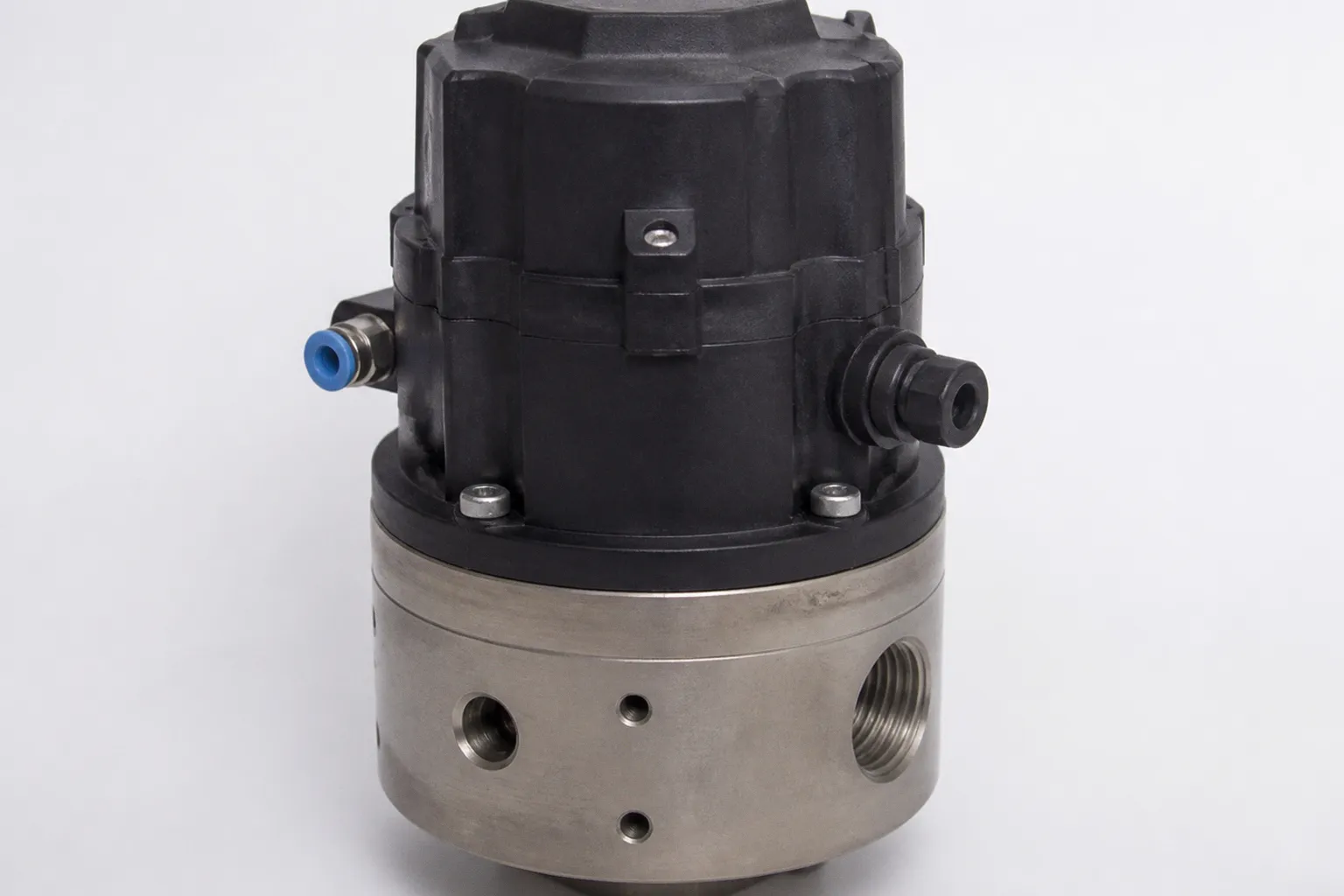
Picture the scene on an offshore platform at three in the morning: a chemical injection skid has been creeping off-rate, the pneumatic supply has been spotty since the last storm, and the operator on watch is about to spend the next two hours troubleshooting instead of monitoring the rest of the system. It's a familiar kind of fatigue, the kind that builds up when a piece of equipment keeps pulling you back to it. According to Engineer News Network, Emerson has just released a new piece of hardware aimed squarely at that problem — the TESCOM RC-X motorised injection rate control valve, designed around accurate, repeatable chemical dosing in deepwater and high-pressure refinery environments.
What the RC-X actually changes on the skid
If you've ever wrestled with a traditional pneumatic actuator on a chemical injection rack, you already know the secondary headaches that come with it: air regulators that drift, compressor noise bleeding through into the control room, and the slow parasitic loss of compressed air nobody catches until a maintenance walk. The RC-X trades that whole arrangement for electric actuation, which means the moment your platform loses a reliable air supply, you're still in the game. The valve pairs with Micro Motion Coriolis flow meters to close the loop on injection rate, running on standard 4–20 mA control signals to keep dosing tight — accurate up to 15,000 psi and across a flow band of 0.02 to 500 litres per hour. In plain terms, if your process swings between a thin trickle of methanol and a heavy hydrate suppressant dose, one valve handles both ends without somebody babysitting the line.
What that means in your daily workflow
Walk through the design with us for a moment, because a few of the spec choices carry real weight on the ground. The short-stroke geometry — under an eighth of an inch of travel — means the motor itself can be smaller, the skid footprint shrinks, and the whole assembly ends up lighter than comparable units. For operators and technicians, that lighter footprint shows up directly as easier lift-and-place work during turnarounds, and fewer pinch points when you're working in tight offshore module spaces. Fewer moving parts overall lowers the chance of mechanical failure over time, which means fewer unscheduled maintenance trips out to the skid during weather windows you'd rather spend on something else. The unit ships explosion-proof, IP67-rated, and compliant to NACE MR0175, so it slots into the same hazardous-area classifications your existing chemical injection skids already meet — no reclassification paperwork hanging over the change-out.
A small shift that adds up across a shift
There's one line from Julia Villa, product marketing manager with Emerson's fluid and motion control business, that landed well with us: properly dosed chemicals in deepwater and high-pressure refining "can prevent blockages and flow instability, helping to ensure optimum fluid behavior, protect asset integrity and stimulate production." On the ground, what that actually translates into is fewer chemical storage runs out to the platform, fewer over-injection events that lead to contamination penalties downstream, and less time spent on the diagnostic treadmill hunting down why a flow has drifted. If you've been carrying the weight of an unreliable pneumatic rack on your shoulders for an entire season, the RC-X is the kind of hardware change that quietly returns your attention to the rest of the process — and that's often the biggest ergonomic improvement of all.