Rotork and United Infrastructure Launch IQ3 Pro Actuators for Carbon Capture Projects
As reported by Engineer Live, United Infrastructure and Rotork have just rolled the first batch of IQ3 Pro intelligent electric actuators off the Bath production line, destined for Liverpool Bay CCS…
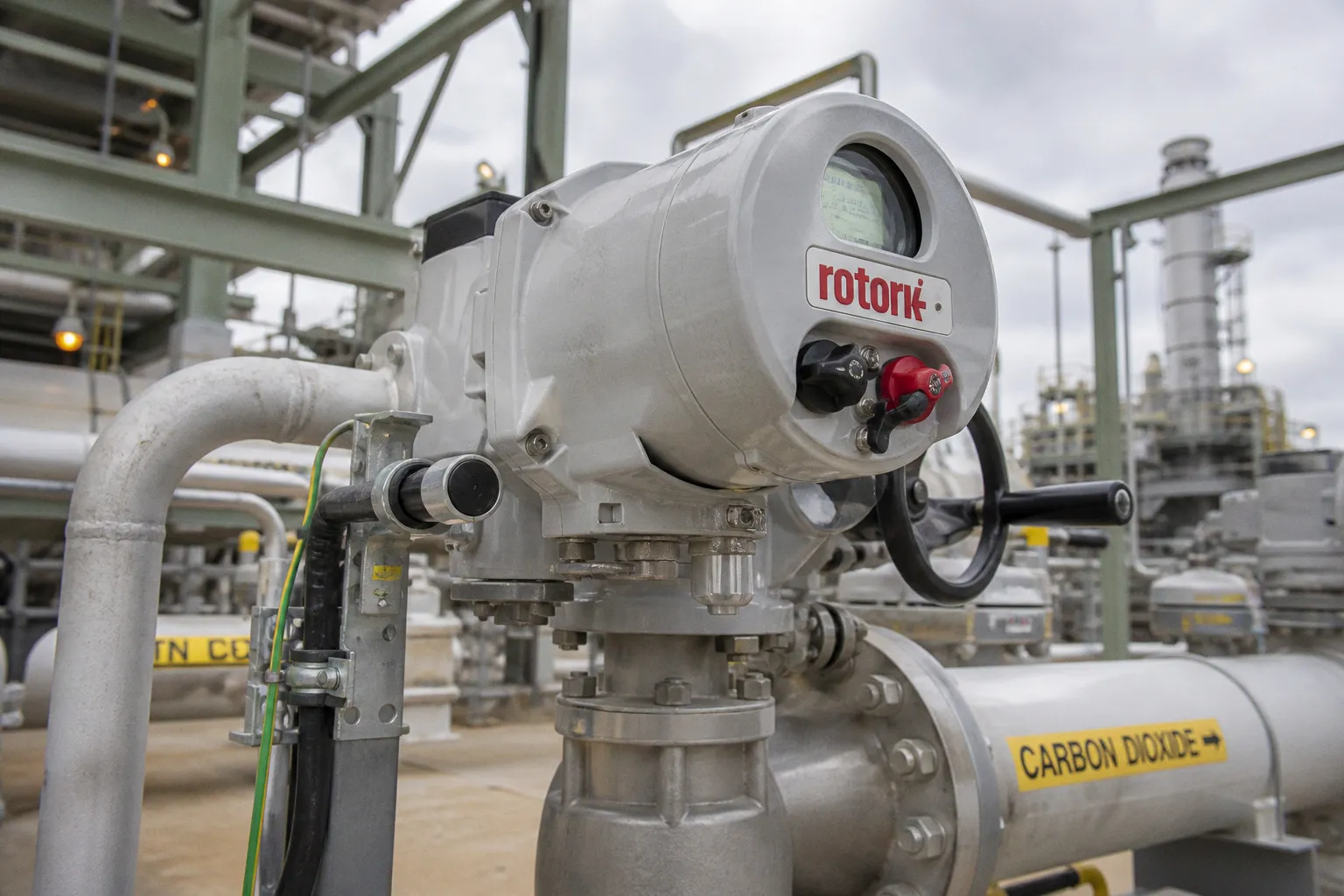
If you've ever stood on a platform in a stiff North Sea wind, wrestling with a manual override on a stubborn valve while a colleague reads out torque specs over the radio, you already know why intelligent actuators matter. As reported by Engineer Live, United Infrastructure and Rotork have just rolled the first batch of IQ3 Pro intelligent electric actuators off the Bath production line, destined for Liverpool Bay CCS Limited's CO₂ Transportation and Storage project. For anyone working on the flow control side of decarbonisation, this is one of those quiet milestones that will reshape your shift routine long before the pipeline becomes a headline.
What actually changed on the production floor
The IQ3 Pro units are being built in Rotork's Bath facility by a UK engineering team, and they've been specified specifically to run the CO₂ transportation network that will move captured carbon from industrial emitters across the North West of England and North Wales down to permanent offshore storage beneath Liverpool Bay. That network is the backbone of HyNet, one of the UK's first low-carbon industrial clusters, so the tolerance for a stuck actuator in the middle of a transfer sequence is effectively zero.
What we find exciting on the ground is the "intelligent" part. These are not just motorized boxes turning a handwheel for you. They carry onboard diagnostics, configurable control profiles, and the kind of feedback loops that used to require a separate instrumentation panel. For you, the operator, that means a torque trace, a position confirmation, and a health summary land directly in your interface instead of forcing a walk-down with a multimeter.
Why this matters for the people running the line
Picture a routine isolation. With a conventional electric actuator, if-then logic usually lives in a control room far away from the device, and the technician on the platform only sees the result: open or closed, accept or reject. With the IQ3 Pro, the same technician can interrogate the asset locally, see cycle counts, and spot a degradation trend weeks before it becomes an unplanned shutdown during a CO₂ transfer. That changes who holds the information, and frankly, it puts it back in the hands of the person closest to the hardware.
There is a broader context worth holding onto. United Infrastructure is delivering these elements on behalf of LBCCS, and the celebration at Bath brought together valve supplier LFF Valvenco and the trade association Energies Industry Council alongside the project partners. That kind of cross-supplier alignment, where the actuator, the valve, and the trade body are in the same room, is rare, and it's the kind of collaboration that tends to produce hardware which is genuinely serviceable rather than sealed for life.
What to watch as this batch goes into the field
If you're specifying, installing, or maintaining equipment tied to CO₂ service, a few things are worth tracking as the first units head out. Confirm with your Rotork contact how the IQ3 Pro's data outputs integrate with your existing SCADA layer, because the real gain shows up when trend data feeds back into your maintenance planning, not when it sits in a local display. Ask LFF Valvenco or your valve supplier how the actuator's torque and speed profiles are matched to the specific CO₂ service trim, since phase behaviour and pressure profiles on a CCS line are different from a typical gas duty. And if you're an apprentice or early-career engineer on this project, take the factory visit route when you can; the Bath milestone was built deliberately around showcasing UK manufacturing capability and the next generation of talent, and that culture tends to show up in how well the documentation and support channels work later.
On the ground, what we're really seeing is a piece of hardware designed for a world where an operator's diagnostic walk is shorter, a fault is caught earlier, and the manual override wrench stays in the bag a little more often. For the workers who will live with these actuators through every shift of the Liverpool Bay T&S rollout, that's the difference that counts.